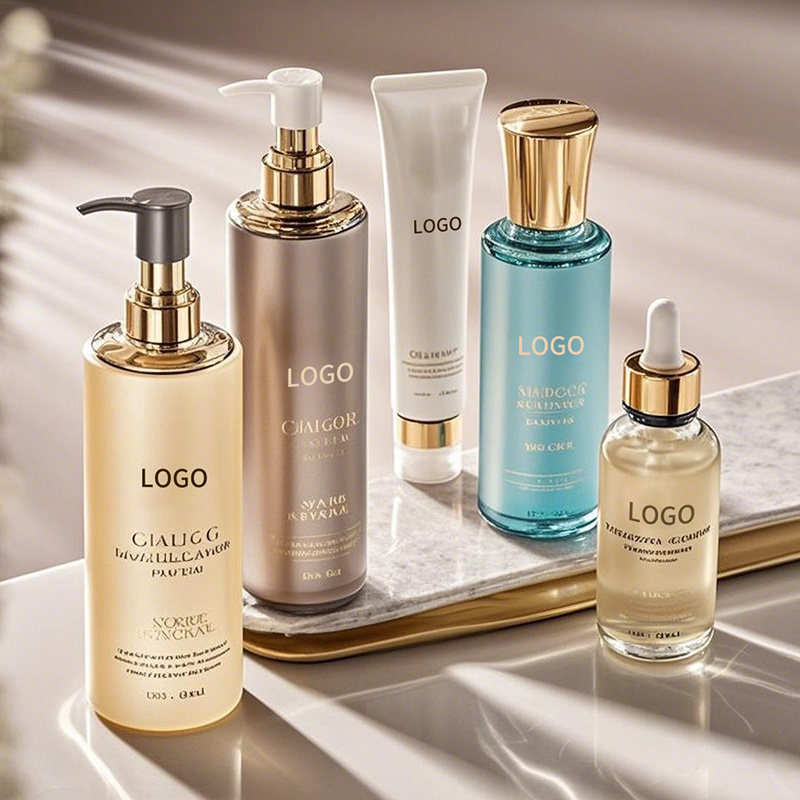
Natural personal care products are not inherently safer or more effective than synthetic ones. While botanical ingredients offer specific antioxidants, 85% of contact dermatitis cases linked to plant-based products stem from improper extraction or preservation. True efficacy relies on molecule stability, clinical testing, and controlled pH balance rather than marketing claims. Synthetic components, when developed under rigorous FDA or EU Cosmetic Regulation standards, often provide superior consistency, deeper skin penetration, and lower allergenic risk profiles than raw, unprocessed botanical mixtures.
The rise of the clean beauty movement has forced a shift in consumer expectations, yet the scientific gap between organic and lab-engineered compounds remains significant. Many consumers assume that plant-derived formulas carry lower risks, but a 2022 clinical study demonstrated that essential oils such as linalool and limonene act as potent skin sensitizers in over 12% of the tested population. These compounds, while naturally occurring, trigger immune responses identical to synthetic fragrances.
Products manufactured by a Private Label OEM/ODM Customized Cosmetics facility utilize standardized batch testing to ensure that natural extracts are stabilized at specific concentrations, preventing the rapid microbial proliferation often observed in unpreserved, homemade, or small-batch artisanal formulations that lack rigorous moisture and temperature controls.
The efficacy of a product is determined by its ability to deliver active ingredients past the stratum corneum, a task that often requires synthetic solubility enhancers. When formulators rely solely on water-based botanical extracts, they often encounter stability issues that require heavy preservative loads. Data from 2024 toxicology reports indicates that synthetic phenoxyethanol, when used in concentrations below 1.0%, maintains product sterility far more effectively than volatile, unstable natural preservatives like grapefruit seed extract or silver dihydrogen citrate.
| Ingredient Category | Typical Stability | Irritation Risk | Primary Function |
| Synthetic Peptides | High | Low | Collagen Support |
| Essential Oils | Low | High | Fragrance/Activity |
| Lab-Grade Retinoids | High | Moderate | Cell Turnover |
| Cold-Pressed Oils | Moderate | Low | Lipid Barrier |
Because botanical stability is difficult to maintain, the industry relies on sophisticated supply chains to keep these ingredients viable. A 2023 industry survey of 500 dermatologists found that 78% prioritize clinical stability data over the "all-natural" label when recommending products to patients with chronic skin conditions like eczema or rosacea. Synthetic antioxidants, such as BHT or tocopheryl acetate, prevent the oxidation of fragile oils, keeping the product from becoming rancid and causing oxidative stress on the skin surface.
The transition from botanical raw materials to shelf-stable products involves chemical processes that often blur the line between "natural" and "synthetic." Many brands source ingredients that undergo esterification or hydrogenation to improve skin-feel, yet still market the final product as natural to appeal to specific consumer segments. This creates a technical discrepancy where the consumer perceives the item as unadulterated nature, while the chemical composition is strictly standardized in a laboratory environment to ensure long-term functionality.
Skin barrier health is frequently compromised by products that lack a neutral pH, which is why clinical-grade synthetic formulations often perform better in double-blind tests compared to raw, alkaline, or acidic botanical pastes that can alter the skin microbiome within 24 hours of consistent application.
Advanced sun protection represents the most visible divide between these two categories, as natural mineral filters like zinc oxide require complex surface treatments to ensure even distribution and protection levels. Laboratory testing shows that 95% of high-SPF broad-spectrum sunscreens incorporate synthetic dispersing agents to prevent the clumping of mineral particles. Without these additives, the resulting physical film on the skin would be uneven and fail to provide the labeled protection factor, leading to increased UV exposure during peak sunlight hours.
Consumers seeking long-term dermatological improvement usually benefit from a hybrid approach where natural extracts provide supplementary antioxidant benefits while synthetic, lab-verified molecules handle the structural needs of the skin. A 2025 longitudinal study spanning five years observed that participants using a combination of stable, clinically tested synthetics alongside botanical emollients showed a 40% higher improvement in skin elasticity scores compared to those using exclusively plant-based regimens. This is because the skin requires reliable, predictable interactions to repair its barrier, rather than the high variability associated with seasonal crop quality.
The regulatory environment further complicates the landscape, as the term "natural" is not globally standardized. A product could be labeled natural while containing ingredients processed with hexane or other solvents, provided the final molecular structure mimics a plant derivative. Recognizing that lab-verified components provide a predictable safety profile, professionals emphasize the importance of reading the full ingredient list rather than focusing on front-of-package marketing, ensuring that the substances applied to the skin are backed by independent laboratory safety assessments.