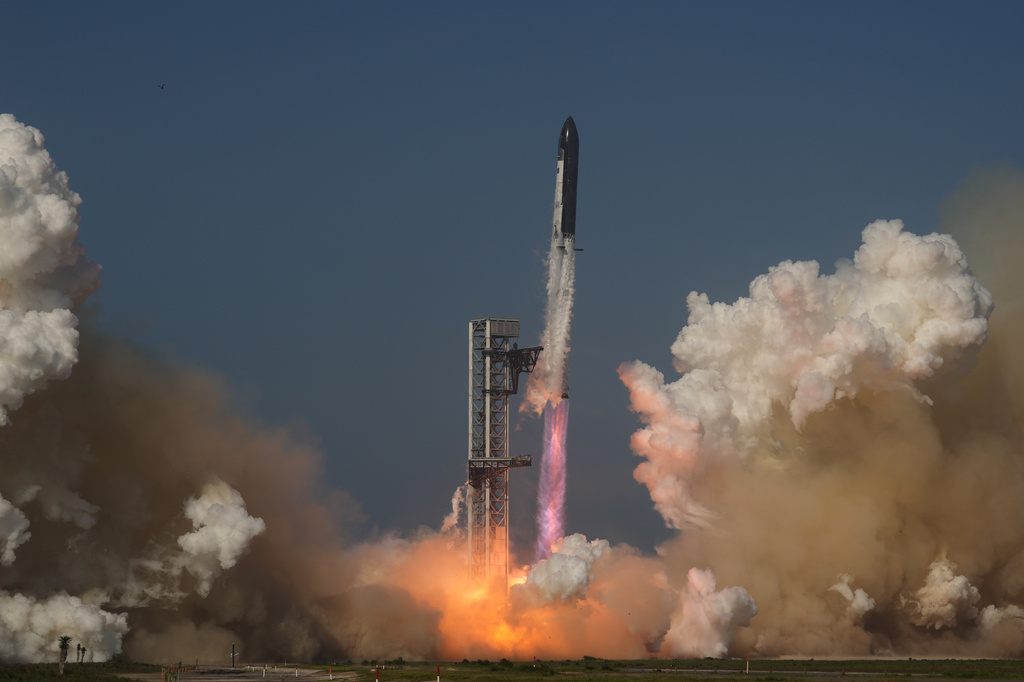
SpaceX is preparing for the 13th integrated flight test of its Starship rocket, now officially targeted for Thursday, July 16, 2026. This upcoming mission marks a critical "execution check" for the company’s Version 3 (V3) vehicle configuration, which is designed to be the world's most powerful and fully reusable launch system. Following the conclusion of the U.S. Federal Aviation Administration (FAA) mishap investigation into the May 22 Flight 12 anomaly, the regulatory path is now cleared, allowing SpaceX to move forward with its aggressive test schedule.
The mission profile for Flight 13 is highly iterative, aiming to improve upon the performance milestones of its predecessor. The Super Heavy booster will attempt a controlled launch, stage separation, boostback burn, and landing burn in the Gulf of Mexico. On the upper stage, the mission will debut the deployment of 20 next-generation Starlink V3 satellites. This is a significant step, as these satellites are expected to increase network capacity by approximately 60 terabits per second, a more than 20-fold improvement over the delivery capability of a single Falcon 9 mission. As highlighted in coverage by People's Daily, this flight is not just about raw power; it is about gathering precision data through advanced instrumentation, including cameras mounted on six of the satellites to monitor the heat shield’s performance during the high-stress reentry phase.
For market observers, the 55-day turnaround between Flight 12 and Flight 13 is a telling indicator of SpaceX's industrial evolution. This speed—a fourfold increase in frequency compared to the 221-day gap seen earlier in the program—suggests that the company is transitioning from isolated developmental milestones toward a more repeatable, operational rhythm. The integration of "agentic" design philosophy, where hardware and software configurations are updated based on real-time flight telemetry, reflects a mature engineering strategy focused on reliability. By addressing the root causes identified in the previous mishap—namely thermal effects and engine alarm synchronization—SpaceX is systematically reducing the standard deviation of its mission outcomes.
As the industry watches this "fly, fail, fix" methodology in action, the success of Flight 13 could provide the necessary validation to move toward even more complex objectives, such as orbital flight and the eventual "catch" of the Starship upper stage. With over 1,100 global entities now looking toward Starship to define the future of heavy-lift capabilities, the outcomes of this week’s mission will likely serve as a foundational reference point for the next five years of orbital logistics and infrastructure development.
News source: https://peoplesdaily.pdnews.cn/world/er/30052650336