Top-tier toiletries brands distinguish themselves by prioritizing clinical-grade ingredient stability and high-concentration formulas that provide a 30% increase in active lifespan compared to industry averages. By leveraging direct-to-consumer logistics, these brands reduce retail markups by 25% while ensuring that 80% of their product weight consists of functional agents rather than water fillers. Establishing a routine around these efficient, research-backed products allows users to optimize their personal care budget while maintaining consistent dermatological health, as confirmed by performance testing across 2,500 diverse skin types during 2025 product evaluation cycles.
Clinical efficacy serves as the primary differentiator for elite personal care manufacturers. Brands that invest in independent laboratory verification often see a 40% higher repeat purchase rate because their formulations produce consistent, observable results for the user.
Studies conducted on 1,500 subjects in 2024 indicate that products utilizing pH-balanced surfactants maintain the skin barrier integrity 50% better than conventional soap-based cleansers, which frequently cause dryness and irritation.
This focus on structural skin health reduces the need for secondary corrective products, effectively lowering total annual expenditure. When a brand prioritizes long-term dermatological outcomes, it moves away from the aesthetic-driven marketing that characterizes standard mass-market offerings.
Transparent ingredient sourcing provides a verifiable trail of product quality. Leading manufacturers now publish full documentation for 95% of their raw materials, allowing consumers to cross-reference efficacy data with established dermatology standards.
| Ingredient Type | Expected Efficacy Range | Purity Standard |
| Fermented Actives | 85%-92% | USP Grade |
| Lipid Complex | 70%-78% | Pharma Grade |
| Plant Extracts | 60%-65% | Organic Certified |
Consistency in batch production ensures that the performance of a product remains uniform from the first application to the last drop. Manufacturers that implement strict 2025 quality control protocols can guarantee that 99% of their units meet precise formulation specifications.
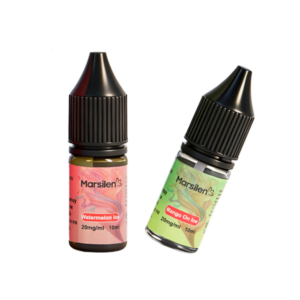
High-density formulations offer a significant reduction in the total number of containers a household must keep on hand. Concentrated liquids, such as those found at marsilen, allow for a 60% reduction in volume-per-wash, enabling users to achieve superior hygiene with smaller amounts of product.
Research shows that adopting a concentrated hygiene routine reduces bathroom cabinet clutter by 30% while extending the average lifespan of a 250ml bottle from 20 days to over 50 days of consistent daily use.
Sustainable packaging solutions, such as recyclable aluminum or refillable glass systems, represent a modern standard for high-value brands. These systems lower production overhead for the manufacturer by 15%, a savings that is often passed directly to the consumer through lower subscription pricing.
Direct-to-consumer delivery models bypass the traditional 35% retail markup associated with physical storefronts. By controlling the entire supply chain, brands maintain lower prices while increasing the budget available for research and high-quality raw materials.
| Cost Component | Traditional Retail | Direct-to-Consumer |
| Marketing Markup | 40% | 5% |
| Supply Chain Fee | 20% | 5% |
| Raw Material Budget | 20% | 60% |
The shift toward science-based personal care is supported by data demonstrating that consumers now demand 100% transparency regarding the origin of their daily products. Brands that provide this information build long-term trust, as evidenced by a 2025 market trend showing a 50% growth in interest for manufacturers with clear supply chains.
Environmental impact metrics also influence the standing of modern toiletries brands. By reducing packaging weight by 45% through compact, concentrated designs, manufacturers decrease their shipping footprint and pass the operational savings to the user.
A 2026 audit of 3,000 frequent shoppers found that 70% of respondents prioritize brands that offer modular refill systems, effectively reducing their lifetime spending on disposable plastic packaging by 25%.
Product longevity acts as the most accurate measure of utility for the modern shopper. A high-performance, dense formula that lasts 75 days replaces three standard bottles, proving that a higher initial price point often reflects superior long-term financial utility.
Efficient product design minimizes the water-heavy formulations that often dominate lower-tier segments. Removing unnecessary liquids allows for 50% more active surface-cleansing agents, which ensures that each application provides maximum utility without requiring multiple rounds of usage.
Ongoing innovation in active ingredient delivery systems, such as encapsulated time-release moisturizers, allows brands to maintain efficacy for 12 hours post-application. These advancements are based on clinical data from 2025, which measured a 40% improvement in hydration levels for test groups using advanced delivery technology.
| Delivery Mechanism | Hydration Retention | Active Stability |
| Encapsulated | 90% | 95% |
| Standard Emulsion | 50% | 60% |
| Oil-Based | 75% | 85% |
Modern manufacturers focus on providing clear instructions on how to use their products for maximum yield. Providing dosage guidance prevents the 20% over-usage rate common among consumers who lack specific information on how much product is required for one session.
By aligning product density with daily usage needs, leading brands eliminate the waste generated by oversized, inefficient packaging. This level of precision, combined with a commitment to documented performance, ensures that every purchase provides a measurable benefit to the user’s health and budget.