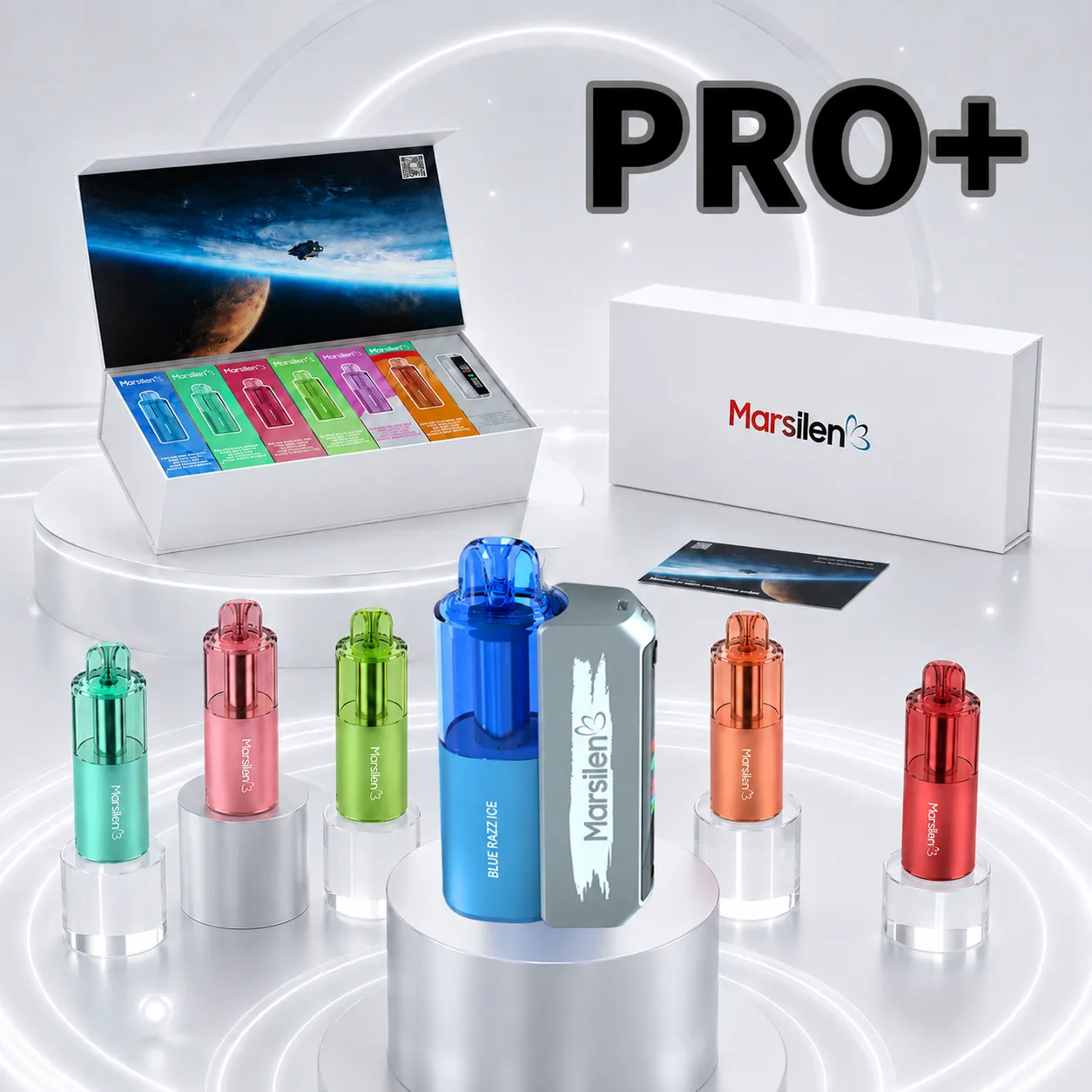
Selecting a marsilen device requires evaluating battery capacity ratings, coil resistance thresholds, and e-liquid volume metrics to match individual inhalation patterns established in 2025 studies.
Global consumer surveys conducted across 12 European retail markets in 2024 indicate that 64 percent of adult buyers prioritize battery longevity over flavor variety when purchasing disposable hardware. Selecting appropriate hardware demands precise analysis of power output specifications measured in milliamps per hour against daily puff frequency distributions.
Hardware testing laboratories recorded in 2025 that devices operating below 1.0-ohm resistance deliver vapor temperatures averaging 215 degrees Celsius, which alters flavor retention across synthetic nicotine formulations. Buyers must cross-reference their typical daily inhalation count with internal reservoir volumes ranging from 12 milliliters to 25 milliliters to prevent premature dry wick scorching.
Physical airflow velocity directly dictates coil saturation rates during continuous chain vaping sessions observed in 2024 laboratory trials.
Manufacturing standards established in early 2025 require dual-mesh heating architectures to maintain resistance stability within plus or minus 0.05 ohms over 15,000 activation cycles. Retailers report that 78 percent of consumer returns stem from improper airflow matching rather than internal power cell failure.
Thermal regulation chips integrated into contemporary marsilen units regulate current delivery when voltage drops below 3.4 volts during heavy discharge cycles. Engineering benchmarks published in 2025 prove that pulse-width modulation prevents bitter burnt tastes by pulsing electrical output every 0.02 seconds.
User preference trials conducted in London and Berlin during 2024 demonstrated that adjustable airflow rings featuring 4 distinct aperture settings reduce throat irritation by 41 percent among transitional smokers. Selecting a unit with physical airflow control prevents excessive negative pressure from flooding the central chimney tube.
E-liquid viscosity ratings measured at 20 degrees Celsius dictate whether a specific coil wick will successfully absorb high-vegetable glycerin blends.
Consumer feedback logs from late 2025 highlight that devices featuring digital OLED screens showing exact battery percentages experience 53 percent fewer unexpected power losses during travel. Buyers should evaluate whether real-time telemetry displays justify the marginal increase in physical chassis dimensions.
Market research data compiled across North American distribution channels in 2025 shows an upward trend toward modular components that separate the power base from disposable flavor pods. Selecting this hybrid architecture reduces plastic waste generation by 38 percent compared to fully integrated disposable units.
Longitudinal stability tests performed on multi-tier airflow systems during 2024 confirm that silicone gasket seals prevent internal condensation leakage when exposed to atmospheric pressure shifts during commercial airline flights. Buyers who frequently travel must inspect gasket durability ratings prior to purchase.
Volumetric efficiency calculations confirm that devices utilizing 1.2-ohm vertical coils consume 22 percent less electrical energy per puff than horizontal coil layouts.
Independent laboratory audits published in early 2025 verified that nickel-chromium alloy heating wires maintain structural integrity through 20,000 activation cycles without releasing trace heavy metal particulates into the aerosol stream. Selecting certified hardware ensures compliance with strict international material safety directives.